As Formula 1 heads to Montreal, all eyes turn to one of the most iconic and unpredictable races on the calendar — the Canadian Grand Prix. Set against the backdrop of the Circuit Gilles Villeneuve, this race has built a reputation for high drama, changing conditions, and moments that define careers.
From underdog victories to last-lap heartbreaks, the Canadian GP has delivered some of the sport’s most unforgettable storylines. As we gear up for another chapter, it’s the perfect time to revisit the key moments that have shaped this legendary event.
The Circuit Gilles Villeneuve — A Driver’s Playground and Nightmare
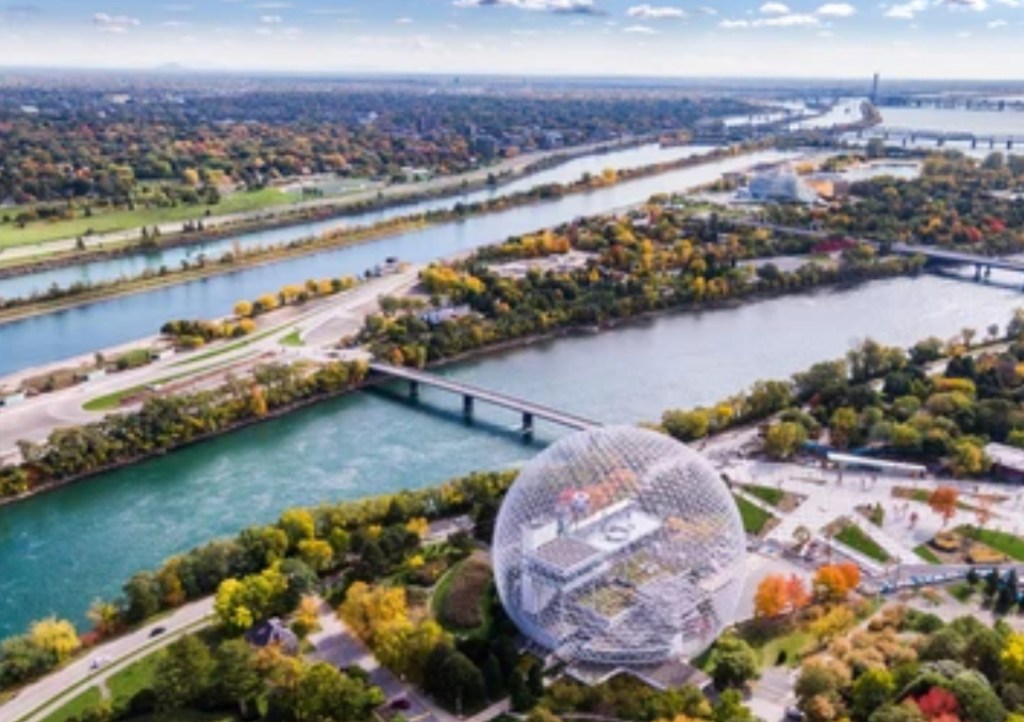
Tucked away on Montreal’s Île Notre-Dame, the Circuit Gilles Villeneuve stands out as one of the most unique and challenging tracks on the Formula 1 calendar. Originally built for Expo 67, this 4.361 km circuit combines long, high-speed straights with tight, technical chicanes that demand precision and nerve. It’s a track that rewards boldness but punishes mistakes severely — with an 83% chance of a safety car appearance, it’s no surprise that drama is a constant here.
Nowhere is this more evident than at the final corner, home to the notorious “Wall of Champions.” This seemingly innocuous barrier has ended the races of some of the sport’s greatest legends; Ayrton Senna, Michael Schumacher, Jacques Villeneuve, and in more recent years, Jenson Button and Sebastian Vettel have all fallen victim to its unforgiving nature. One small error here, and the wall swiftly reminds drivers that no one is invincible.
In 1982, the circuit was renamed in honour of Canadian icon Gilles Villeneuve, whose fearless and daring driving style perfectly embodied the spirit this track demands. Every lap at Circuit Gilles Villeneuve is a delicate dance between risk and reward — and only the most skilled drivers manage to strike that balance successfully.
A History Packed with Drama
The Canadian Grand Prix has been delivering high-stakes action since 1967, and over the decades, it’s produced some of the most dramatic moments in Formula 1. In 1991, Nigel Mansell dominated every lap until the final corner. With the win seemingly secured, his car shut down, handing Nelson Piquet a stunning last-minute victory in one of the sport’s most unexpected turnarounds.
Then came 1995, when Jean Alesi finally broke through for his first and only career win. Driving the iconic No. 27 Ferrari, he took the chequered flag on his 31st birthday after Michael Schumacher was forced into the pits with electrical issues.
But no race quite compares to 2011, the longest Grand Prix in F1 history. Over four hours of chaos, rain delays, crashes, and more than 30 lead changes ended with Jenson Button charging from last to first. He made six pit stops, survived contact with teammate Lewis Hamilton, and passed Sebastian Vettel on the final lap to seal one of the greatest comebacks victories the sport has ever seen. It’s moments like these that make the Canadian GP a must-watch, year after year.
Legends Who’ve Conquered Montreal
Over the years, many greats have stamped their mark on the Canadian GP. Gilles Villeneuve’s 1978 home victory remains a beloved memory for Canadian fans. Michael Schumacher dominated here in the early 2000s, ultimately securing seven wins in Montreal, tying him with Lewis Hamilton for the most victories at this circuit. Two drivers demonstrating consistent brilliance and technical mastery, solidifying the circuit as one of their strongest.
The 1999 event saw Mika Häkkinen claim victory in a chaotic race filled with multiple crashes and unpredictable incidents. Häkkinen’s composure and focus under intense pressure perfectly showcased his championship-winning qualities.
In 2007, a young Lewis Hamilton claimed his maiden Formula 1 win in just his sixth race. Dominating from pole and navigating multiple safety car periods, Hamilton made a major statement and began a legacy that would eventually make him one of Montreal’s most successful drivers.
Daniel Ricciardo also earned his first career win here in 2014. With the dominant Mercedes cars suffering mechanical issues, Ricciardo seized the opportunity, pulling off late-race overtakes to take the lead and claim a dramatic victory for Red Bull.
These moments, and the drivers behind them, underscore why the Canadian Grand Prix continues to be one of the most unpredictable and celebrated events on the F1 calendar.
Evolving with the Times
While the circuit’s character remains true to its roots, the Canadian Grand Prix has continually evolved to keep pace with advances in safety and technology. Over the years, modifications have enhanced driver protection without sacrificing the circuit’s signature excitement.
In 2017, the FIA upgraded the Circuit Gilles Villeneuve by replacing guardrails with TecPro barriers; polyethylene structures filled with foam or sand to better absorb impact energy, and replacing gravel traps with asphalt runoff areas to improve safety without compromising the circuit’s challenge.
Meanwhile, F1 teams relentlessly improve their cars and strategies to conquer Montreal’s unique blend of high-speed straights and technical corners. The short pit lane and frequent safety car periods, averaging 67% of races since 2014, encourage aggressive strategies and precise tire management.
As this year’s Canadian Grand Prix approaches, fans can expect the same drama, unpredictability, and edge-of-the-seat racing that have made this event a beloved highlight on the Formula 1 calendar for decades.
Whether it’s a masterful strategy call, a daring overtaking manoeuvre, or a breathtaking last-minute twist, Montreal consistently delivers unforgettable moments. The Canadian GP is poised to write its next thrilling chapter and one thing’s for sure: you won’t want to miss a second.

Leave a comment